Introduction
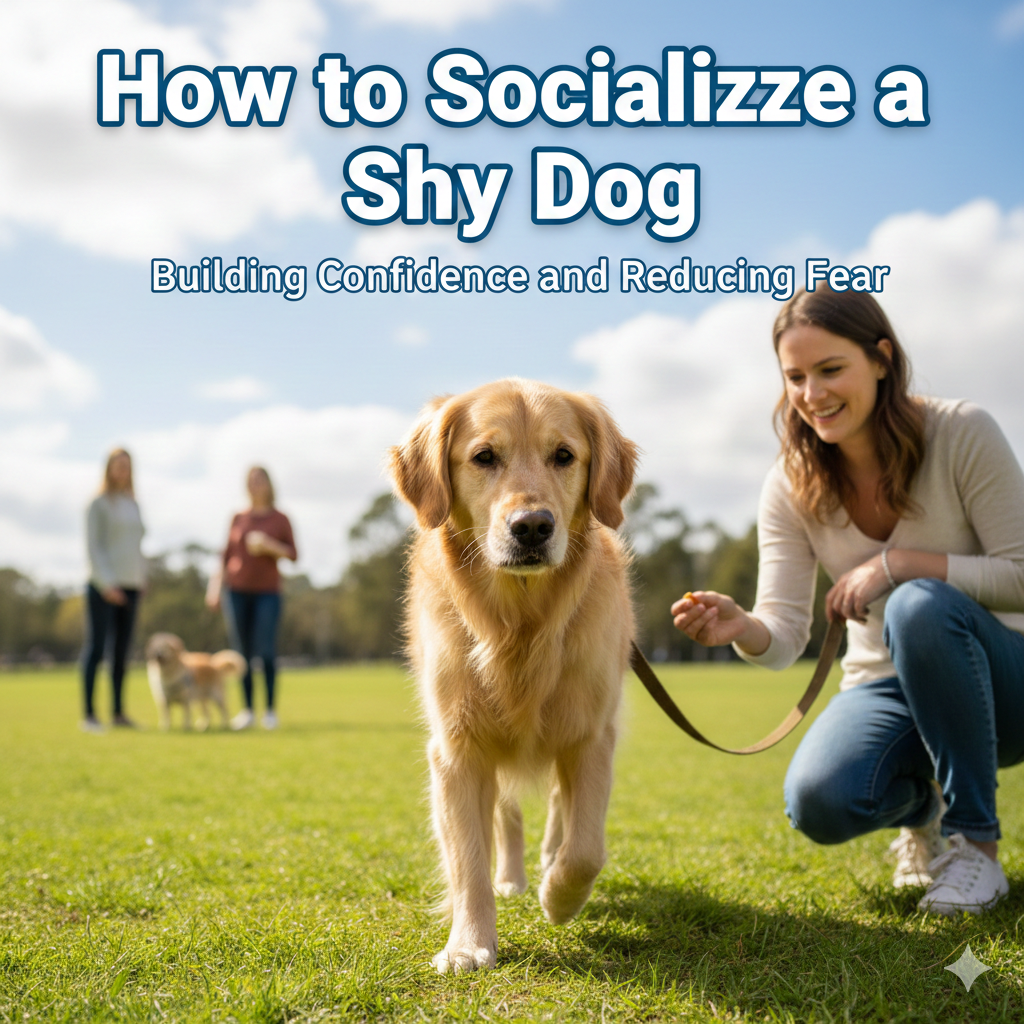
Socializing a shy dog can be a challenging yet rewarding process. Many dogs naturally feel apprehensive around unfamiliar people, animals, or environments, but with patience, positive reinforcement, and the right approach, you can help your dog build confidence and learn to enjoy social interactions. Whether you have a rescue dog, a puppy with timid tendencies, or a dog that struggles with fear, this guide will provide effective strategies for socializing a shy dog. By creating positive experiences and using slow exposure, you can help your dog overcome their fears and become a more confident, well-adjusted companion.
Understanding Shyness in Dogs
Before diving into socialization techniques, it’s important to understand why your dog is shy. Shyness or fearfulness in dogs can be caused by several factors:
Lack of Early Socialization: Puppies that aren’t exposed to new experiences, people, or animals during their early developmental stages can grow up to be fearful or anxious dogs.
Past Trauma: Dogs that have experienced abuse or neglect may develop fear-based behaviors due to negative experiences.
Genetics: Some dogs may be more naturally sensitive or timid based on their breed or individual temperament.
Negative Experiences: A traumatic experience, such as a bad encounter with another dog or person, can lead to fear-based reactions in the future.
Understanding the root cause of your dog’s shyness will help tailor the right approach for socialization and reduce fear.
Step-by-Step Guide to Socializing a Shy Dog

Step 1: Start Slowly and Gradually Expose Your Dog to New Situations
When socializing a shy dog, it’s essential to take things slowly. Gradual exposure to new people, animals, and environments is key to preventing overwhelming your dog. Here’s how to start:
Introduce New Experiences in a Controlled Environment: Begin by exposing your dog to one new situation at a time, in a quiet and calm environment. For example, introduce them to one new person or animal rather than a group.
Short Sessions: Keep socialization sessions short and positive. Overexposure can lead to stress or fear.
Observe Your Dog’s Body Language: Pay close attention to your dog’s behavior. Signs of fear or stress may include cowering, tail tucked, or retreating. If your dog is showing these signs, give them space and allow them to adjust slowly.
Step 2: Use Positive Reinforcement to Reward Good Behavior
Positive reinforcement is one of the most effective methods for socializing a shy dog. When your dog shows interest in a new person or situation, reward them with praise, treats, or toys. This helps your dog associate new experiences with something positive. Here’s how to implement positive reinforcement:
Reward Calm Behavior: When your dog interacts with new people or experiences, reward them with treats or praise. This encourages calm and confident behavior.
Gradual Desensitization: If your dog is fearful of certain situations, gradually expose them to these situations at a comfortable pace, rewarding them for calm behavior.
Use Food as Motivation: High-value treats can help distract and calm your dog during socialization sessions.
Step 3: Introduce Your Dog to New People and Animals
Introducing your shy dog to new people and animals can be a key part of their socialization process. Be sure to follow these steps to make these interactions positive:
Introduce People One at a Time: For a shy dog, meeting too many people at once can be overwhelming. Introduce new people one at a time, and encourage calm behavior by using treats or toys as a reward.
Keep Introductions Calm and Controlled: Have the new person remain calm and avoid overwhelming your dog with fast movements or loud voices. Allow your dog to approach the person at their own pace.
Introduce Other Dogs Slowly: If your dog is shy around other dogs, start by allowing them to observe from a distance before making direct introductions. Keep the first meeting short and positive, and always ensure both dogs are calm.
Step 4: Take Your Dog to New Environments
Taking your dog to different places is an important part of socializing them. Exposure to new environments can help your dog become more comfortable with changes and build their confidence. Here’s how to do it:
Start with Quiet Locations: Begin by taking your dog to quiet, low-traffic areas like parks, trails, or empty streets. Gradually introduce them to busier environments as they become more confident.
Keep the Walks Relaxing: Avoid pushing your dog too hard during outings. Let them explore at their own pace and take breaks when needed.
Bring Positive Reinforcements: Bring treats or toys to reward your dog for staying calm in new environments. This will help them associate these outings with good experiences.
Common Mistakes to Avoid When Socializing a Shy Dog
While socializing your dog, it’s important to avoid certain mistakes that can hinder their progress:
Forcing Socialization: Forcing a dog to interact with something they’re afraid of can cause increased anxiety and make the problem worse. Always let your dog approach new experiences at their own pace.
Overloading with Stimuli: Taking your dog to crowded, noisy places too soon can overwhelm them. Start in quieter, calmer environments and work your way up to busier places.
Lack of Consistency: Socialization should be an ongoing process. Inconsistent exposure to new experiences will slow down progress and may cause setbacks.
Information Gain: The Role of Anxiety in Shyness
Shyness in dogs is often linked to anxiety. Dogs that are fearful or anxious are more likely to withdraw from new situations, people, or animals. While socialization can help reduce anxiety, it’s important to recognize that anxiety can sometimes be a deeper issue that requires additional interventions, such as training or veterinary care. If your dog’s shyness is severe and doesn’t improve with socialization, it may be beneficial to consult with a professional dog trainer or behaviorist who specializes in anxiety-related behaviors.
Unique Section: Practical Insight from Experience – My Rescue Dog’s Journey
When I adopted my rescue dog, Luna, she was incredibly shy and fearful of everyone, even me. At first, she would hide in corners whenever someone visited. Slowly, I began introducing her to new people and environments, always rewarding her for calm behavior. With time and patience, she started to trust me and others more. It wasn’t an overnight process, but with positive reinforcement and gradual exposure, Luna became much more confident. Today, she’s a happy, friendly dog who loves meeting new people and exploring new places. The key to her progress was consistent, positive experiences.
FAQ Section
How long does it take to socialize a shy dog?
The timeline varies depending on the dog, but with consistent effort, many dogs will show significant progress in 3 to 6 months.
Can I socialize an older dog?
Yes, it’s never too late to start socializing an older dog. The process may take a bit longer, but patience and consistency are key.
What should I do if my dog is fearful of other dogs?
Start with controlled introductions, keeping a distance until your dog becomes more comfortable. Use positive reinforcement when your dog remains calm.
Can socialization help with separation anxiety?
Yes, socializing your dog can help build their confidence and reduce anxiety. Gradually increasing the time spent alone and using positive reinforcement can also be beneficial.
What if my dog shows aggression toward new people?
If your dog shows signs of aggression, it’s best to consult with a professional dog trainer to address the issue safely and effectively.
Conclusion
Socializing a shy dog takes time, patience, and consistency, but the results are well worth the effort. By exposing your dog to new people, animals, and environments at their own pace, using positive reinforcement, and avoiding common mistakes, you can help your dog build confidence and overcome their fears. With the right approach, your shy dog can transform into a more social, well-adjusted companion. Remember, progress may be gradual, but with persistence, your dog will thrive in new situations.
Internal Linking Suggestions
Related Post: Stop Leash Pulling: Proven Training Tips for Calm, Stress-Free Dog Walks
Related Post: Dog Separation Anxiety: How to Prevent Destructive Behavior When Left Alone
External Authority Links
American Kennel Club – Dog Behavior Tips (akc.org)
PetMD – Socializing a Dog (petmd.com)