
Introduction
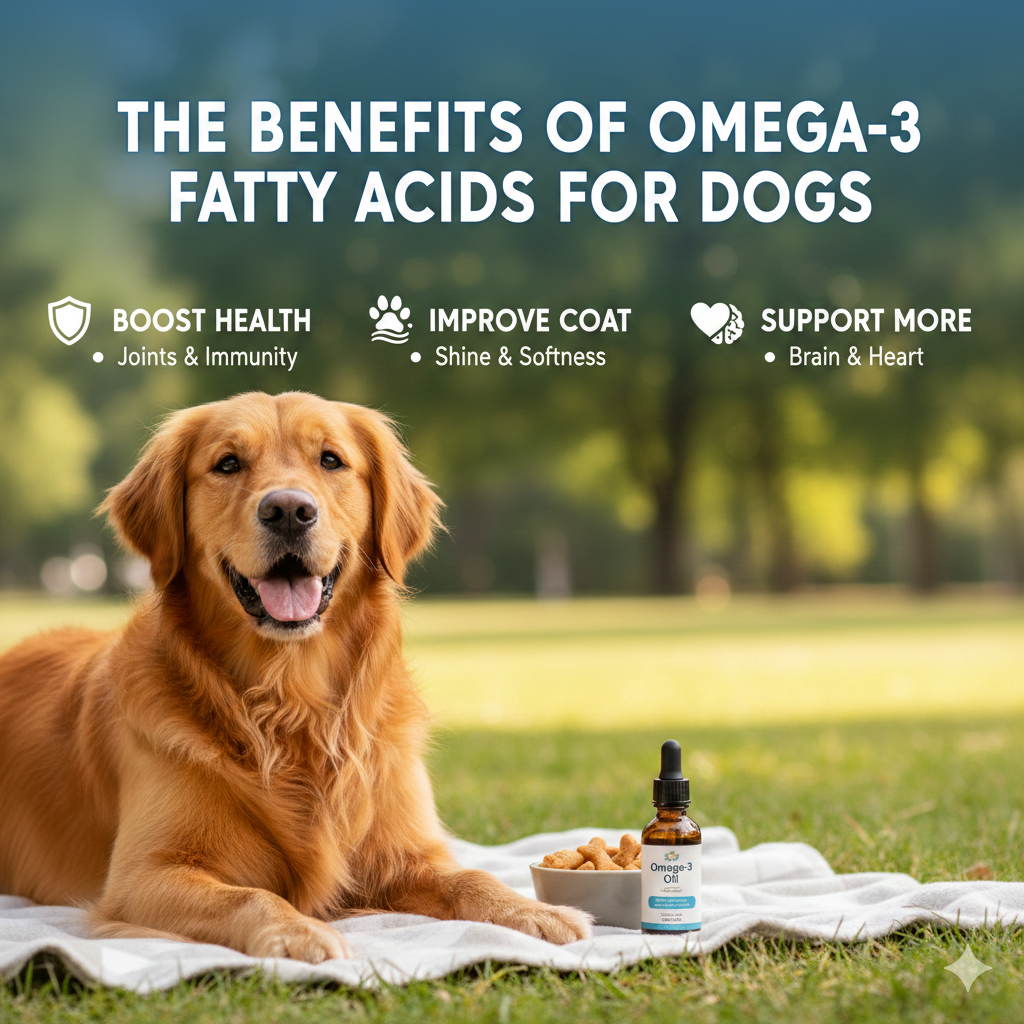
Omega-3 fatty acids are essential nutrients that offer numerous health benefits for dogs. These healthy fats play a crucial role in supporting your dog’s skin, coat, joints, heart, and even cognitive function. Whether you’re looking to improve your dog’s coat condition, reduce inflammation, or boost overall health, Omega-3s are a key part of a balanced diet. In this post, we’ll explore the many benefits of Omega-3 fatty acids for dogs and how you can incorporate them into your dog’s diet through food and supplements.
What Are Omega-3 Fatty Acids?
Omega-3 fatty acids are polyunsaturated fats that are crucial for various bodily functions. There are three main types of Omega-3s:
EPA (Eicosapentaenoic Acid): Primarily found in fish oil, EPA is known for its anti-inflammatory properties and its ability to support heart health and joint function.
DHA (Docosahexaenoic Acid): Also found in fish oil, DHA plays a key role in brain function and cognitive health.
ALA (Alpha-Linolenic Acid): ALA is a plant-based Omega-3 fatty acid found in flaxseed, chia seeds, and other plant oils. While dogs can convert ALA into EPA and DHA, the conversion process is inefficient, making it less effective than fish-based sources.
Incorporating Omega-3s into your dog’s diet can help support their overall health, reduce inflammation, and promote a shiny, healthy coat.
Health Benefits of Omega-3 Fatty Acids for Dogs
1. Reduces Inflammation and Joint Pain
One of the most well-known benefits of Omega-3 fatty acids for dogs is their ability to reduce inflammation. Omega-3s help lower the production of inflammatory molecules, which can alleviate pain and stiffness, especially in dogs with arthritis or joint issues.
How it works: Omega-3s, particularly EPA, help reduce the production of pro-inflammatory cytokines and prostaglandins, which contribute to joint pain and swelling.
Best for: Senior dogs, dogs with arthritis, or those prone to joint problems.
2. Supports Heart Health
Omega-3 fatty acids are excellent for maintaining a healthy heart and cardiovascular system. They can help reduce the risk of heart disease by lowering triglycerides, improving blood flow, and reducing inflammation in blood vessels.
How it works: Omega-3s help regulate cholesterol levels and reduce the buildup of plaque in the arteries, reducing the risk of heart disease.
Best for: Older dogs, dogs with heart conditions, or dogs at risk of cardiovascular problems.
3. Promotes Healthy Skin and Coat
Omega-3s are widely known for their ability to improve your dog’s skin and coat condition. These healthy fats support the skin’s natural barrier, improve hydration, and reduce skin irritation caused by allergies or dry weather.
How it works: Omega-3s help keep the skin moisturized, reduce dryness and flakiness, and promote a shiny, soft coat. They also help prevent excessive shedding.
Best for: Dogs with dry skin, allergies, or dull, brittle coats.
4. Boosts Immune System Function
Omega-3 fatty acids play a vital role in supporting your dog’s immune system. By reducing chronic inflammation, they help the immune system function more efficiently and protect against infections and diseases.
How it works: Omega-3s enhance the activity of immune cells, making them more effective at fighting off infections.
Best for: Dogs with weak immune systems, older dogs, or dogs recovering from illness or surgery.
5. Enhances Cognitive Function
In addition to supporting physical health, Omega-3s, particularly DHA, are essential for brain development and cognitive function. For puppies, Omega-3s are crucial for brain growth, while older dogs benefit from the cognitive-supportive effects of DHA, helping to delay cognitive decline.
How it works: DHA is a major component of the brain and helps with memory, learning, and mental clarity. Supplementing with Omega-3s can support cognitive function and slow the onset of age-related cognitive decline.
Best for: Puppies, senior dogs, or dogs showing signs of cognitive dysfunction (e.g., confusion, disorientation).
How to Incorporate Omega-3 Fatty Acids Into Your Dog’s Diet
There are several ways to ensure your dog is getting enough Omega-3s in their diet:
1. Fish Oil Supplements
Fish oil is one of the most common and effective sources of Omega-3s for dogs. You can purchase fish oil in liquid or capsule form and easily add it to your dog’s food. Fish oil is rich in both EPA and DHA, making it an excellent supplement for promoting heart, joint, and skin health.
How to use: Follow the recommended dosage on the packaging based on your dog’s size. Always consult your vet before adding a supplement to your dog’s diet to avoid over-supplementation.
2. Fish-Based Dog Food
Many high-quality dog foods contain fish as a primary ingredient, which naturally provides Omega-3s. Look for foods that include ingredients like salmon, mackerel, or sardines.
How to use: If your dog eats high-quality fish-based dog food, they may already be getting a sufficient amount of Omega-3s. Check the ingredients list to ensure that fish is listed as a primary ingredient.
3. Plant-Based Sources
While fish is the most effective source of Omega-3s, you can also supplement your dog’s diet with plant-based sources such as flaxseed, chia seeds, or hemp oil. These provide ALA, which can be converted into EPA and DHA, though not as efficiently.
How to use: You can sprinkle ground flaxseed or chia seeds on your dog’s food or add a small amount of hemp oil to their meals. Again, consult your vet to ensure the right dosage.
4. Omega-3-Enriched Treats
Some dog treats are enriched with Omega-3 fatty acids, making them an easy and tasty way to supplement your dog’s diet. Look for treats that are made with fish oil or flaxseed.
How to use: Incorporate these treats into your dog’s daily routine as a supplement to their regular meals.

Common Mistakes to Avoid When Supplementing Omega-3s for Your Dog
Over-supplementing: While Omega-3s are beneficial, too much can lead to digestive upset or even thinning of the blood. Always follow dosage guidelines and consult your vet for advice.
Choosing Low-Quality Supplements: Not all Omega-3 supplements are created equal. Make sure to choose high-quality fish oil that is free of contaminants like mercury and PCBs. Look for third-party testing and certification.
Ignoring the Balance: Omega-6 fatty acids are also important, but many commercial dog foods already contain plenty of Omega-6s. Balance is key; too many Omega-6s and too few Omega-3s can cause inflammation.
Information Gain: The Impact of Omega-3s on Skin and Allergies in Dogs
Omega-3 fatty acids are incredibly beneficial for dogs with skin allergies, dry skin, or inflammatory skin conditions. Dogs with food allergies, flea allergies, or other sensitivities often suffer from skin irritation, hot spots, or excessive shedding. Omega-3s can help reduce the inflammation caused by these conditions and promote healthier skin. Adding Omega-3 supplements to their diet may significantly improve their coat’s condition and reduce itching and inflammation associated with allergies.
Unique Section: Real-World Scenario – How Omega-3s Improved My Dog’s Skin Condition
My dog, Luna, has always had sensitive skin, and she would often scratch excessively during the winter months when the air was drier. After discussing the issue with my vet, we decided to try adding fish oil to her diet. Within a few weeks, I noticed a significant improvement—her coat became shinier, the scratching decreased, and her skin felt softer. Omega-3s made a visible difference in her skin health, and she now has a healthy, shiny coat year-round.
FAQ Section
Can I give my dog human fish oil supplements?
While human fish oil supplements are similar, it’s better to use products formulated specifically for dogs. Dog-specific fish oil supplements are typically dosed for canine needs.
How much Omega-3 should I give my dog?
The recommended dosage varies by your dog’s size and health needs. Generally, it’s around 20-55 mg of EPA and DHA combined per pound of body weight, but it’s best to consult your vet for specific guidelines.
Can Omega-3s help with my dog’s arthritis?
Yes, Omega-3 fatty acids, especially EPA, have strong anti-inflammatory effects that can help reduce pain and stiffness associated with arthritis.
How long does it take for Omega-3s to show results?
It can take 2-4 weeks to start seeing noticeable benefits from Omega-3s, such as improved coat health or reduced joint pain.
Is it safe to give my dog Omega-3s every day?
Yes, Omega-3s can be safely given every day as part of your dog’s regular diet, as long as you follow proper dosage guidelines.
Conclusion
Omega-3 fatty acids are essential for your dog’s overall health, offering a wide range of benefits from joint support to improving skin and coat condition. By incorporating Omega-3s into your dog’s diet, you can help them stay active, healthy, and comfortable, especially as they age. Whether through fish oil supplements, Omega-3-rich dog food, or plant-based sources, make sure to choose the best option for your dog’s needs and consult with your vet to ensure the proper dosage. Omega-3s can make a world of difference in your dog’s health and quality of life.
Internal Linking Suggestions
Related Post: Best Dog Food for Sensitive Stomachs: Improve Your Dog’s Digestion and Comfort
External Authority Links
American Kennel Club – Omega-3 Benefits for Dogs (akc.org)
PetMD – Omega-3s for Dogs (petmd.com)


