Introduction
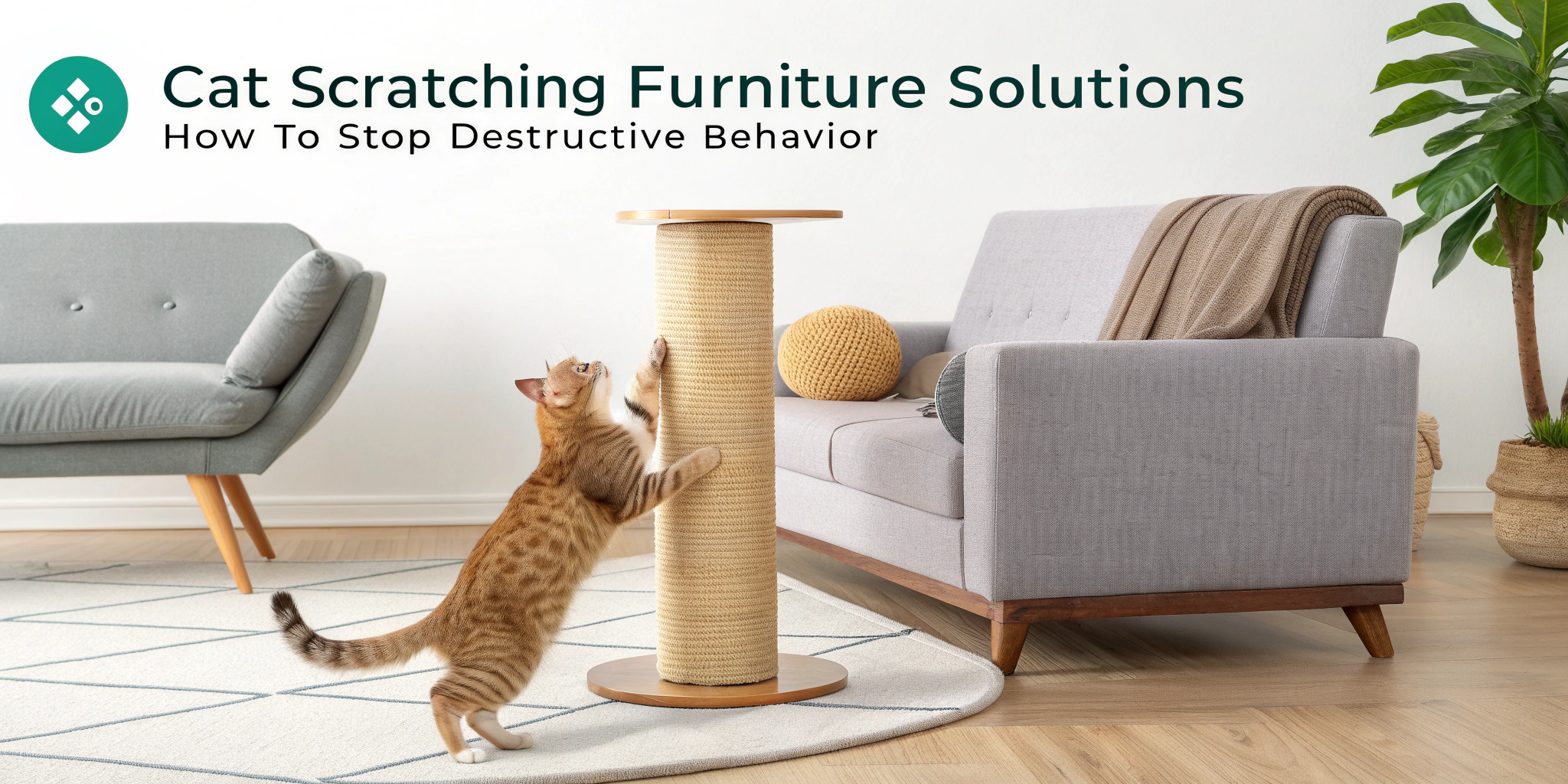
Cats have a natural instinct to scratch. It’s a way for them to mark territory, sharpen their claws, and stretch their muscles. However, when this behavior is directed toward your furniture, it can become a frustrating problem. Fortunately, there are several ways to stop your cat from scratching your furniture and redirect this behavior in a healthy and positive way. In this guide, we’ll explore practical solutions for dealing with destructive scratching and offer tips on how to create a cat-friendly environment that keeps your furniture safe.
Why Do Cats Scratch Stop Cat Scratching Furniture?
Before diving into solutions, it’s important to understand why cats scratch. Scratching is a completely natural and instinctual behavior for cats, and it serves several key purposes:
Claw Maintenance: Cats scratch to shed the outer layers of their claws, keeping them sharp and healthy.
Territorial Marking: Scratching is a way for cats to mark their territory, as their paws have scent glands that release pheromones.
Stretching and Exercise: Scratching helps cats stretch their muscles, particularly in their front legs and back.
While scratching is essential to your cat’s health, it doesn’t need to be directed at your furniture or household items. Redirecting this behavior is possible with the right approach.
How to Stop Your Cat from Scratching Furniture
-
Provide the Right Scratching Posts and Surfaces
One of the best ways to prevent your cat from scratching furniture is to provide appropriate outlets for their scratching instinct. Here’s how:
Choose the Right Scratching Post: Ensure the scratching post is tall enough for your cat to stretch fully. Posts that are covered in materials like sisal are ideal, as they are sturdy and provide a satisfying texture.
Place Scratching Posts Strategically: Position scratching posts near the areas your cat currently scratches, such as by the furniture or in front of windows. Cats tend to scratch after waking up, so placing posts near their resting spots can help redirect the behavior.
Multiple Options: Offer several scratching posts around the house, especially if you have multiple cats. Some cats prefer horizontal scratching surfaces, while others prefer vertical posts.
-
Use Deterrents to Protect Your Furniture
If your cat is particularly persistent, there are a few deterrents you can use to keep them away from your furniture:
Double-Sided Tape: Cats dislike the sticky sensation of tape, so placing double-sided tape on the areas your cat scratches can be an effective deterrent. The unpleasant feeling will encourage them to find a different scratching spot.
Furniture Protectors: There are furniture covers available that can help protect your furniture from scratches. These are especially useful for items like couches and chairs.
Aromatherapy: Cats tend to avoid certain smells, such as citrus or eucalyptus. Using sprays or oils with these scents on your furniture can make the area less inviting for scratching.
-
Reward Positive Scratching Behavior
Training your cat to scratch the right areas involves positive reinforcement. Here’s how you can encourage your cat to use the scratching posts instead of your furniture:
Praise and Treats: Whenever your cat scratches the designated post, immediately reward them with praise, petting, or a treat. This reinforces the behavior and helps them understand that scratching the post is good.
Interactive Play: Engage your cat in interactive play using toys like feathers or strings, encouraging them to scratch the post or other safe surfaces. This not only provides a physical outlet but also mimics the natural behaviors of hunting and scratching.
Common Mistakes to Avoid When Dealing with Scratching
While trying to stop your cat from scratching, there are several mistakes that should be avoided:
Declawing: Declawing is a controversial and harmful procedure that involves amputating the end of a cat’s toes. This is not a humane solution to scratching and can lead to pain, behavioral problems, and long-term health issues.
Punishing Scratching: Punishing your cat for scratching will not work and can lead to fear or anxiety. Cats don’t associate punishment with the act of scratching; they simply learn to be afraid of you.
Removing Scratching Posts: If you take away your cat’s scratching post in an attempt to stop the behavior, you will only increase their frustration. Make sure to always provide a proper alternative.
Information Gain: The Role of Scratching in Cat Mental Health
Scratching is not just a physical behavior; it’s also tied to your cat’s mental well-being. By scratching, cats engage in a form of stress relief, territorial marking, and communication. If you deprive your cat of an outlet for scratching, you may see an increase in behavioral issues, including anxiety, stress, and destructive tendencies. Ensuring that your cat has a safe, designated area to scratch is essential for their emotional health.
Unique Section: Myth vs. Reality – Scratching Isn’t Just Destructive Behavior
Myth: Scratching is just a bad habit that needs to be punished.
Reality: Scratching is a vital part of your cat’s health and well-being. It’s a natural behavior that helps them maintain healthy claws, stretch their muscles, and mark their territory. The key is redirecting this behavior to appropriate areas, not stopping it entirely.
FAQ Section
How can I stop my cat from scratching my couch?
Provide an appropriate scratching post near the couch and use a deterrent like double-sided tape on the furniture. Reward your cat when they use the scratching post.
Can I use a spray to stop my cat from scratching?
Yes, sprays with scents that cats dislike, such as citrus, can deter scratching. Be sure to use a product that is safe for your cat.
Why does my cat scratch so much?
Scratching is a natural behavior for cats, helping them maintain their claws, stretch, and mark their territory. It’s essential for their physical and mental health.
Can scratching posts be used for training my cat?
Absolutely! Scratching posts are a great training tool. Reward your cat when they use the post, and make it the focal point of your cat’s scratching routine.
What should I do if my cat refuses to use the scratching post?
Try different types of scratching posts or surfaces to find what your cat prefers. You may also need to reposition the post or make it more appealing by rubbing catnip on it.
Conclusion
While scratching is a natural and necessary behavior for cats, it can be frustrating when they target your furniture. By providing appropriate scratching surfaces, using deterrents, and offering positive reinforcement, you can redirect this behavior and keep your home safe from damage. Remember, patience and consistency are key. With the right approach, your cat will learn to scratch in the right places, and both you and your furry friend will enjoy a happier, stress-free environment.
Internal Linking Suggestions
Related Post: Socializing a Shy Dog: Proven Tips to Build Confidence and Reduce Fear
Related Post: Stop Dog Jumping on People: Proven Training Tips for Polite Greetings
External Authority Links
American Kennel Club – Pet Behavior (akc.org)
PetMD – Cat Behavior and Scratching (petmd.com)